NGL Home
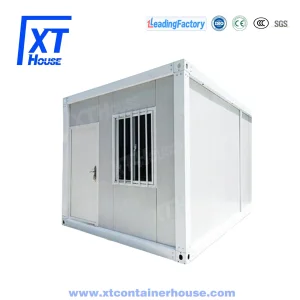
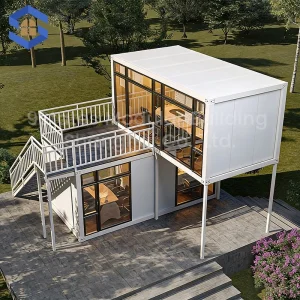
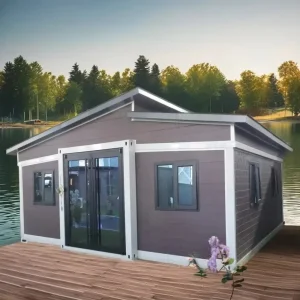
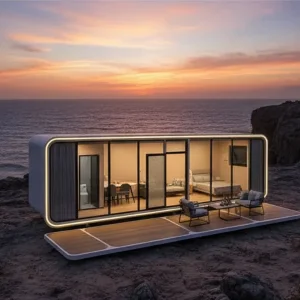
The Prefabricated Evolution in the Barcelona Market
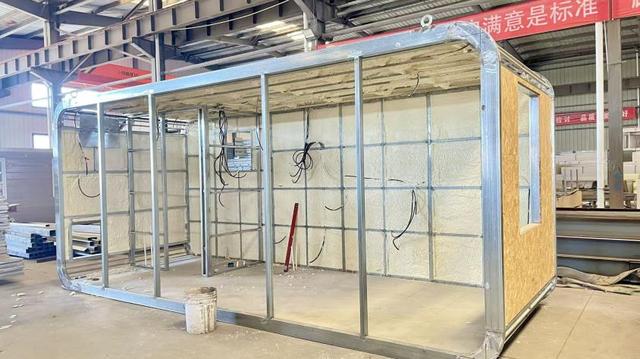
The construction landscape in Catalonia, and specifically the Barcelona metropolitan area, is experiencing a major transition towards Off-Site Manufacturing (OSM). Driven by the pressure of escalating municipal land values, acute construction labor shortages, and stringent regional carbon neutrality policies, developers and public enterprises are actively turning away from legacy brick-and-mortar builds. Today, modular container houses and light-gauge steel framing represent the vanguard of sustainable, rapid-assembly infrastructure.
According to Catalan urban development assessments, integration of modular building blocks reduces site delivery cycles by up to 60% and slashes onsite waste creation by over 80%. Prefabricated solutions have evolved from emergency units to high-end architectural residential designs, commercial offices, and maritime-port structures.
Navigating Spanish and Catalan Building Codes (CTE)
Entering the Barcelona market requires a rigorous understanding of the local *Código Técnico de la Edificación* (CTE). Any permanent modular structure must comply with thermal performance indices (specifically HE-1 limits for Catalan coastal and mountainous climates), seismic resistance parameters defined under NCSE-02, and acoustics thresholds (HR protection against noise pollution). Additionally, coastal Barcelona zones require high anti-corrosion properties (C4/C5 grade galvanization) to combat marine moisture. Reputable global manufacturers must deliver certifications demonstrating structural calculation matching Eurocode 3 and Eurocode 4 standards.