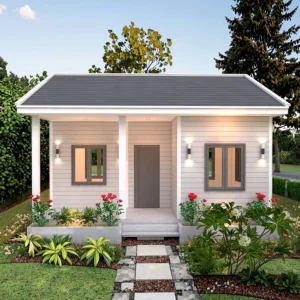
Direct factory supply solutions customized for rapid installation, architectural elegance, and tropical climate compliance in Thailand.
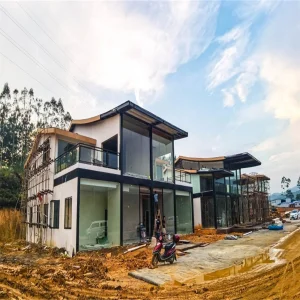
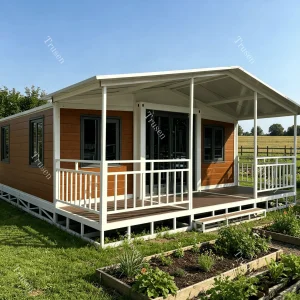
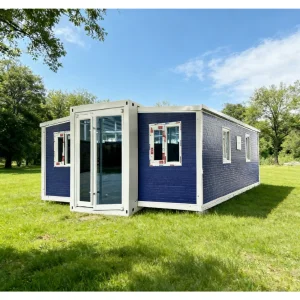
Analyzing structural shifts toward Off-Site Manufacturing (OSM) and volumetric prefabricated assembly.
The global construction industry is undergoing a profound paradigm shift. Traditional wet construction methodologies are increasingly being replaced by industrialized, off-site fabrication processes—commonly referred to as Prefabricated Prefinished Volumetric Construction (PPVC) and Light Gauge Steel Framing (LGSF). Globally, the prefabricated housing market is projected to grow from USD 142.1 billion in 2023 to USD 214.3 billion by 2030, registering a compound annual growth rate (CAGR) of over 6.1%. This expansion is driven by persistent skilled labor shortages, rising material costs, demands for carbon footprint reduction, and the absolute necessity of compressing project timelines.
Thailand represents one of the most dynamic markets for modern prefab houses in Southeast Asia. Driven by the rapidly expanding hospitality sector in tourist hubs like Phuket, Koh Samui, Krabi, and Pattaya, developers are seeking immediate-occupancy vacation homes, high-end modular resort villas, and eco-friendly capsule hotels. Concurrently, the growth of the Eastern Economic Corridor (EEC) industrial zones has triggered massive demands for high-strength, relocatable site offices, multi-story engineering labor quarters, and quick-assembly warehouses.
Traditional concrete construction in Thailand suffers from prolonged monsoon-related delays and a growing shortage of skilled construction labor. In contrast, prefabricated buildings engineered by leading manufacturers like Guangzhou NGL Home Co., Ltd. offer rapid dry-assembly parameters that bypass local seasonal disruption. By importing precision-manufactured structural kits, Thai developers achieve unmatched quality control, strict adherence to international seismic and wind codes, and significant cost savings.
Engineered for diversified commercial application scenarios, from luxury glamping cabins to modern exterior garden solutions in Thailand.
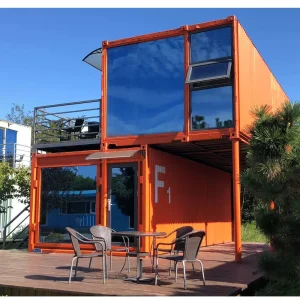
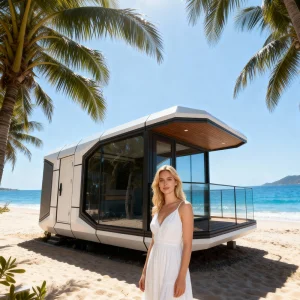
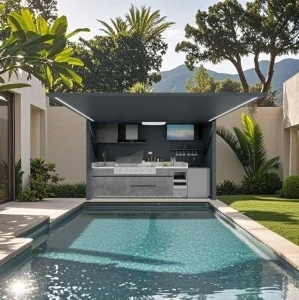
How Guangzhou NGL Home engineers modular units to withstand high humidity, coastal salinity, and seismic loads in Southeast Asia.
Thailand's long coastlines demand supreme material resilience. Guangzhou NGL Home uses heavy-duty hot-dip galvanized structural frames with zinc coating densities of >120g/m² to prevent electrochemical oxidation. Standard structural joints are sealed using marine-grade polymers to restrict saltwater mist penetration.
We deploy high-density Polyurethane (PU) or Polyisocyanurate (PIR) core sandwich panels with continuous thermal breaks. By cutting external heat bridges, indoor cooling requirements (air conditioning electricity consumption) are reduced by up to 35% under peak tropical sunshine.
Our prefabricated systems are calculated using Finite Element Analysis (FEA) to endure wind pressures up to 0.75 kN/m² (equivalent to 120-150 km/h typhoons common in coastal regions) and optimized for seismic performance conforming to Thai ministerial regulations (MR-48).
| Structural Element | Guangzhou NGL Standard Specification | Thailand Local Code Compliance | Engineering Lifecycle Benefit |
|---|---|---|---|
| Main Frame Steel | Q355B Hot-Dip Galvanized Light Gauge Steel | TIS-1227-2558 Structural Steel Standards | High yield strength, structural longevity >50 years |
| Insulation Core | 75mm/100mm Rockwool or PIR Sandwich Panel | Class A1/B1 Fire Resistance Rating | Excellent soundproofing & thermal U-value < 0.35 W/m²K |
| Glazing Systems | Double-Glazed Low-E Tempered Glass (5mm+12A+5mm) | ASTM/TIS Safety Glass Regulations | Blocks 90% UV transmission, limits solar heat gain (SHGC) |
| Flooring Base | 18mm Heavy Duty Fiber Cement Board + SPC Finish | Moisture Resistant & Termite Proof Certification | Rot-proof flooring perfect for Southeast Asian monsoon water logging |
Custom engineering solutions mapping directly to the geographical, economic, and logistical landscape of Thailand.
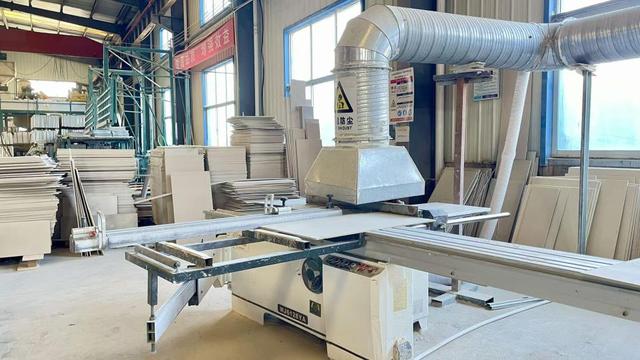
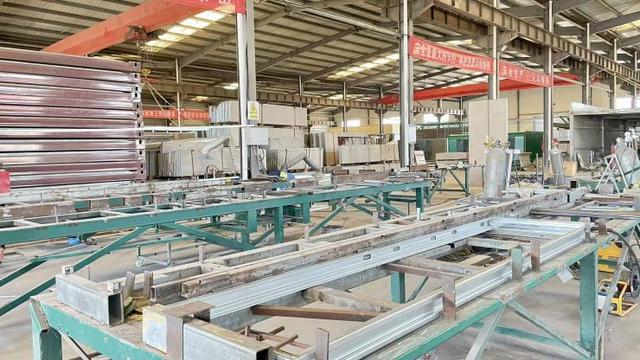
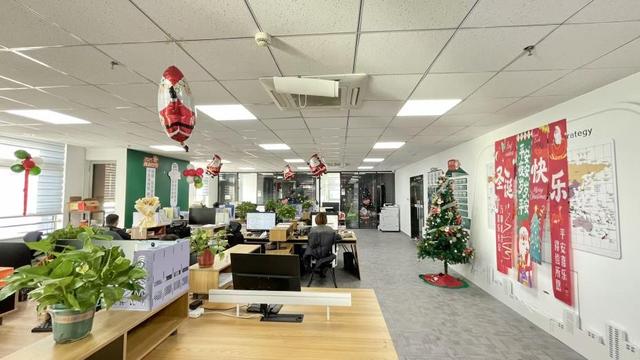
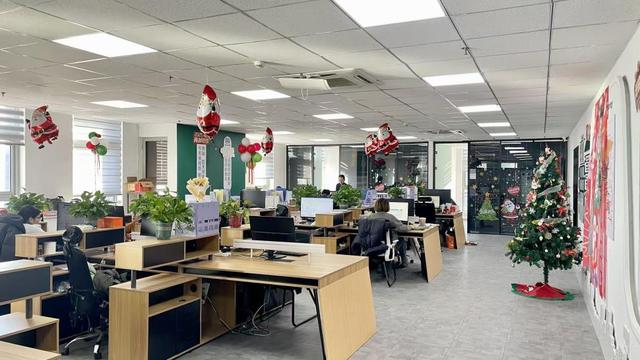
A look inside our advanced Chinese manufacturing base delivering certified modular structures worldwide.
Guangzhou NGL Home Co., Ltd. is a premier structural manufacturer of prefab houses, modular buildings, portable homes, and industrial steel construction systems. Over years of intensive manufacturing experience, we have successfully developed integrated production lines utilizing state-of-the-art automated CNC steel shaping machines, automated welding systems, and meticulous panel bonding lines.
Our engineering team has extensive expertise in both OEM and ODM capacities, optimizing projects from preliminary CAD design and 3D Tekla structures modeling through to fabrication, international sea cargo logistics, and on-site assembly instruction support. Our products have been exported across Europe, North America, South America, the Middle East, Oceania, and comprehensively across Southeast Asia.
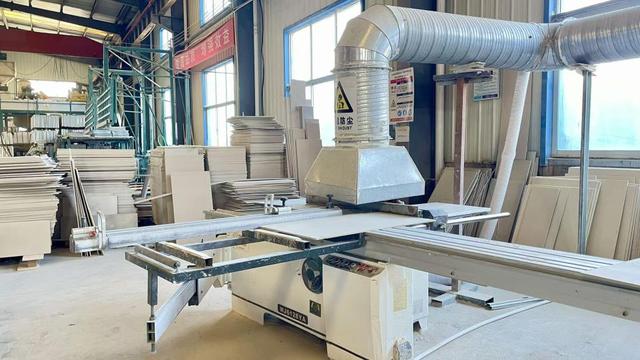
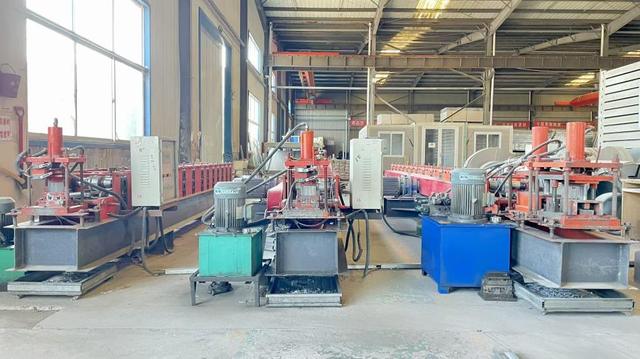
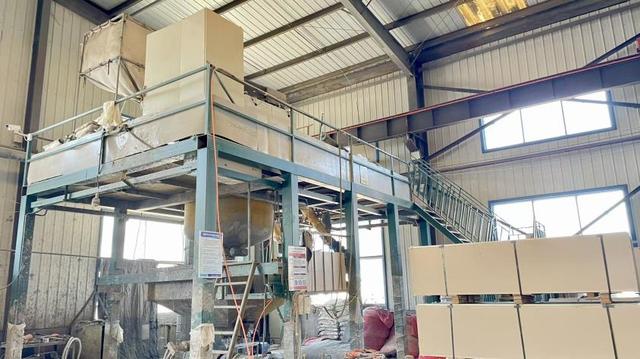
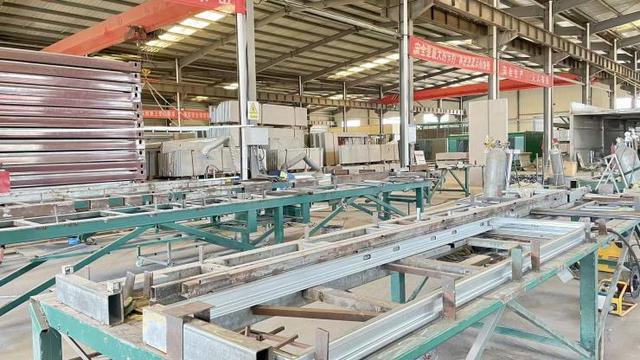
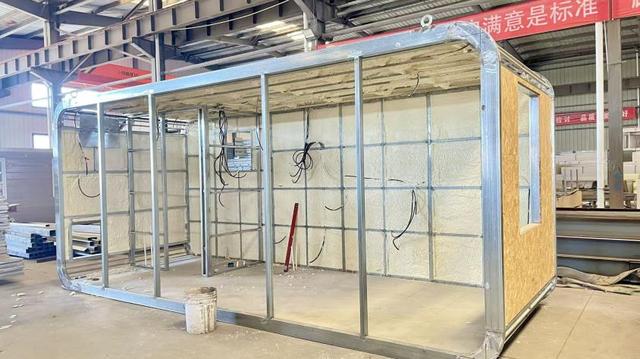
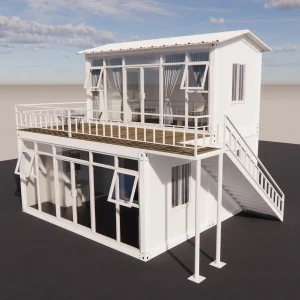
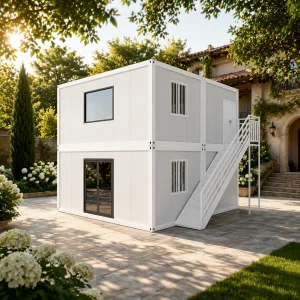
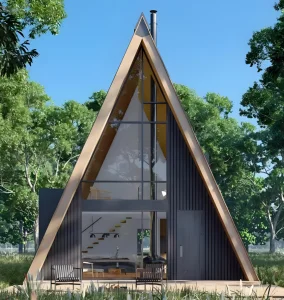
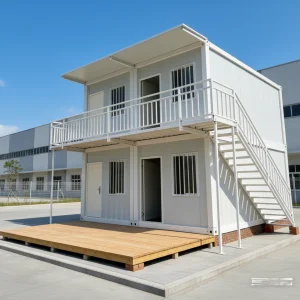
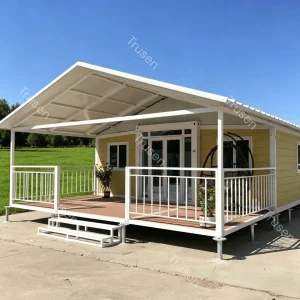
Complete architectural solutions from double-story container duplexes to large agricultural and residential steel framing systems.
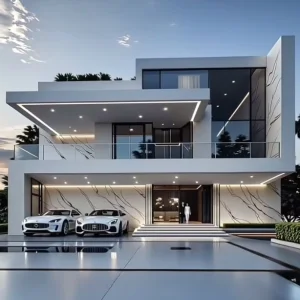
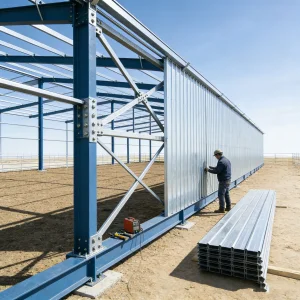
Key logistics, customs duty, structural engineering, and installation considerations answered by structural experts.
Partner with Guangzhou NGL Home for premium design, structural calculations, factory-direct pricing, and comprehensive import assistance for the Thailand market.
Send Inquiry Now NGL Home