The housing market is evolving, sparking curiosity about how do prefab houses compare to traditional homes. Prefab homes have gained popularity due to their affordability and speed of construction. These houses often come with modern designs and can be customized to fit various lifestyles.
However, the advantages of prefab homes may not be apparent to everyone. Traditional homes have long stood as symbols of permanence and craftsmanship. Families often associate them with stability and community ties. Yet, prefab houses can also offer unique advantages for urban dwellers seeking flexibility.
It's essential to consider both options carefully. Prefab homes may lack the traditional charm that many buyers desire. Some people question their long-term value. On the other hand, traditional homes can be costly and time-consuming to build. Exploring these differences can help potential homeowners make informed decisions.
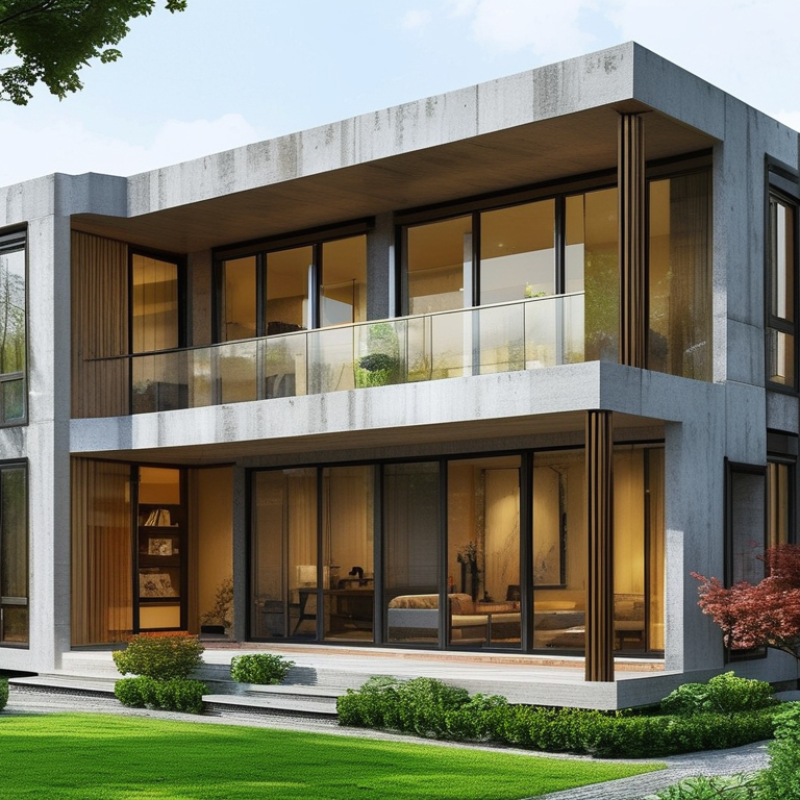
Prefab houses significantly reduce construction time compared to traditional homes. Research from the National Association of Home Builders indicates that prefab homes can be built in as little as 14 days. In marked contrast, traditional homes often take several months to complete. This efficiency stems from their factory production, where components are manufactured simultaneously, minimizing delays associated with weather and site preparation.
The speed of assembly also plays a crucial role in project timelines. According to a report by McKinsey & Company, construction time for prefab homes can be up to 50% less than for conventional builds. This acceleration means homeowners can move in sooner, which is particularly beneficial in competitive real estate markets. However, some critics argue that faster construction may lead to overlooked details or hurried inspections, raising potential quality concerns.
Moreover, the modular construction process allows for increased design flexibility. Homebuyers can choose from numerous layouts and finishes. Yet, customization can sometimes extend the timeline if specific features aren’t readily available. Balancing speed and quality remains a critical consideration for both builders and buyers engaged in the prefab housing market. It’s essential to evaluate all aspects carefully before making a decision.
: Prefab homes may consume up to 20% less energy than traditional homes due to effective manufacturing and insulation.
Prefab homes can produce 50% less construction waste compared to traditional builds, promoting sustainable practices.
Not all prefab homes achieve the same efficiency, so energy savings can vary depending on specific designs and materials.
Local regulations can complicate the installation process, impacting the energy savings of prefab homes.
Yes, prefab homes offer customization options for layouts, colors, and materials, catering to individual tastes.
Customization can overlook practical aspects like budget or energy efficiency, leading to potential regrets later on.
Weigh the visual appeal against long-term comfort and practicality, ensuring the design meets real needs.
Buyers need to reflect on the relevance and feasibility of their choices within the context of their lifestyle.
Sometimes, prefab designs may not suit specific landscapes or local architectural styles, which can affect overall appeal.
Thoughtful design is crucial to avoid dissatisfaction and ensure a comfortable living environment over time.
The article explores how do prefab houses compare to traditional homes across several critical aspects. It highlights the construction time, emphasizing that prefab homes can be built significantly faster due to their modular design, which streamlines the building process. The cost analysis suggests that although the initial investment for prefab houses may be comparable to traditional homes, they often lead to long-term savings through reduced energy costs and maintenance.
Energy efficiency is another vital focus, with prefab housing typically boasting better insulation and energy-saving features compared to conventional structures. In terms of customization, the article notes that while both types of homes offer design flexibility, prefab houses often provide quicker and more cost-effective options. Lastly, the environmental impact of prefab construction is examined, showcasing its sustainability benefits compared to traditional building methods, which typically have a larger carbon footprint. Overall, the article offers a comprehensive view of the benefits and considerations of prefab homes versus traditional homes.

 NGL Home