In recent years, the question of whether prefab houses are energy efficient has gained considerable attention. Prefabricated homes present a variety of benefits, particularly in the realm of sustainable living. They are often constructed using advanced materials and technologies that may enhance energy efficiency. However, the effectiveness of these solutions is still under scrutiny.
Are prefab houses energy efficient? The answer is not straightforward. Many factors influence energy use, including location, design, and materials. Some prefab homes boast superior insulation and energy-saving features. Yet, others can fall short of expectations. It's essential to examine each model carefully to assess its true energy performance.
While the potential for eco-friendliness exists, challenges also arise. Various prefab designs might not suit every climate or lifestyle. Some homeowners may find that their preferences clash with the energy-saving capabilities of certain models. As the market for prefab homes evolves, ongoing research is vital to determine how these houses can best serve sustainable living goals.
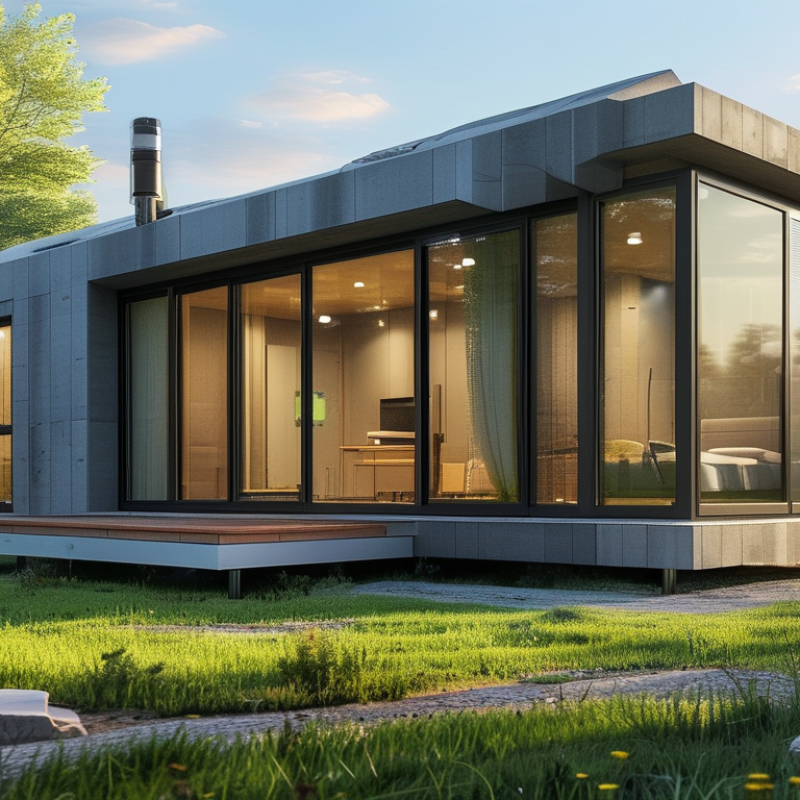
Prefab houses are increasingly recognized as viable solutions for sustainable living. These structures, manufactured off-site and assembled on location, aim to minimize environmental impact. According to a report from the National Association of Home Builders, prefab homes can reduce construction waste by up to 90%. This efficiency is a significant factor in their growing popularity among environmentally conscious consumers.
Energy efficiency is another crucial aspect of prefab houses. A study by the U.S. Department of Energy shows that prefab homes often exceed traditional homes in energy performance. For instance, many are built with advanced insulation and energy-efficient windows, contributing to up to 30% lower energy costs. However, not all prefab homes meet these criteria. The quality and sustainability of materials used can vary greatly. It is essential for buyers to scrutinize the specifications carefully.
While prefab houses do promote sustainable living, potential challenges remain. The initial costs can sometimes be higher than expected. Furthermore, customization options may be limited, which can affect personal preferences. Not every prefab design is suitable for every environment, and that needs careful consideration. Balancing energy efficiency with functional design is an ongoing challenge within the industry. As the market evolves, continuous innovation is needed to further enhance the sustainability of prefab housing solutions.
| Feature | Prefab Houses | Traditional Houses |
|---|---|---|
| Construction Time | Faster (Weeks) | Slower (Months) |
| Energy Efficiency | High (Better Insulation) | Moderate (Varies) |
| Material Waste | Lower | Higher |
| Carbon Footprint | Reduced | Higher |
| Cost | Varies (Often Lower) | Generally Higher |
: Prefab houses are structures built off-site and assembled on location. They aim to minimize environmental impact significantly.
These homes can reduce construction waste by up to 90%. They also promote energy efficiency, benefiting the environment.
Bamboo, reclaimed wood, and recycled steel are popular choices. These renewable materials help lower energy consumption and carbon footprint.
Many prefab homes exceed traditional homes in energy performance. They may lower overall energy costs by up to 30%.
Yes, initial costs can be higher than expected, and customization options may be limited. Buyers should consider these factors carefully.
Energy-efficient features can lead to utility bills being reduced by 50%. Long-term savings can justify higher upfront costs.
Buyers must scrutinize material specifications. Quality varies greatly, impacting the sustainability of the home.
Yes, regular inspections are crucial. Neglecting maintenance can lead to increased energy costs over time.
Researching local suppliers for renewable materials not only boosts local economies but also reduces transportation emissions.
Consider the lifecycle of materials. Are they recyclable at the end of their life? This reflects your commitment to sustainability.
Prefab houses are increasingly recognized as energy-efficient solutions for sustainable living. These homes are built using prefabricated components that often incorporate advanced insulation and energy systems, which significantly enhance their energy efficiency compared to traditional homes. Not only do they utilize renewable materials that reduce environmental impact, but they also offer cost-effectiveness in long-term energy savings, making them an appealing option for eco-conscious consumers.
Case studies demonstrate the successful implementation of energy-efficient prefab homes, showcasing their potential to minimize energy consumption while providing comfortable living spaces. As discussions about sustainable living continue to grow, the question remains: are prefab houses energy efficient? The evidence supports a positive answer, highlighting their role in shaping a more sustainable future for housing.

 NGL Home