As the demand for affordable housing rises, many inquire, "how much does a prefab house cost?" Prefabricated homes offer innovative solutions. A recent study indicates a significant trend toward sustainable and affordable construction. The modular housing market is projected to reach $157 billion by 2025, signaling a robust interest from global buyers.
Cost transparency is crucial. Basic models can start around $30,000, while custom designs may exceed $200,000. Factors like location, materials, and size affect prices. For instance, a 1,000 square foot prefab house might average $130,000 in the U.S. However, international costs vary widely, influenced by local regulations and supply chain logistics.
Investing in prefab homes is not without its complexities. Buyers might face challenges in finding reliable manufacturers or understanding zoning laws. Quality assurance remains a concern. Prefab homes can offer savings, but hidden costs may arise. Buyers should conduct thorough research. Making informed decisions requires understanding the nuances of the prefab housing market.
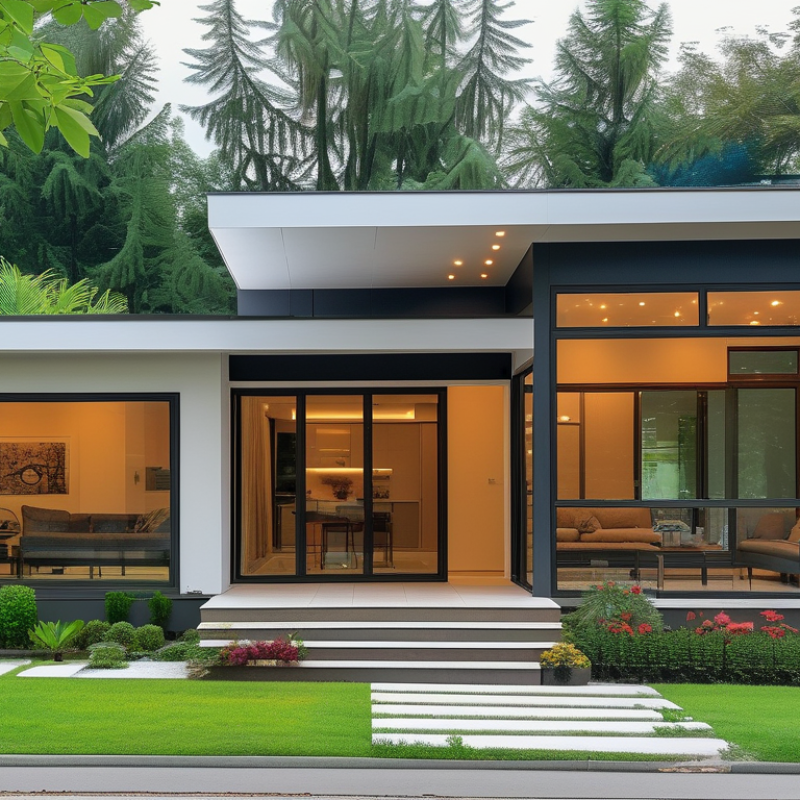
Prefab houses have gained popularity among global buyers for their cost-effectiveness and convenience. However, their prices vary widely due to several factors. One key factor is location. Building regulations and land prices differ between regions. For instance, urban areas often have higher costs due to demand and infrastructure.
Rural locations may offer lower prices but come with different logistical challenges.
Material choices also influence the overall cost. High-quality materials may lead to a higher initial investment, but they can reduce long-term maintenance costs. Additionally, builders' expertise plays a crucial role in pricing.
Experienced professionals may charge more for their services, but their reliability can save money in the long run. It's important to weigh the costs against quality.
Lastly, customization options can significantly impact prices. Basic designs are usually more affordable than highly customized homes. Balancing personal preferences with budget constraints can be a complex process. Buyers need to understand that while prefab houses offer many advantages, careful planning is essential to avoid overspending.
When considering prefab houses, costs vary significantly by region and country.
In North America, the average cost per square foot for a prefab home is approximately $100 to $200. In Europe, prices vary from $80 to $140 per square foot, with Scandinavia often seeing higher rates due to advanced building standards. Meanwhile, Asian markets display a wider range, with costs as low as $30 per square foot in some areas but rising in urban centers.
Tips: Research local regulations. These can impact your overall cost significantly. Factors such as land acquisition and local construction codes can add to expenses. Understanding these nuances is vital in budget planning.
Interestingly, a report by the International Prefab Association indicates that the demand for sustainable housing is driving prices up. Countries with stringent environmental regulations, like Germany, see higher costs due to advanced energy-efficient materials used in prefab construction. Reflecting on these variations is crucial, as they expose both opportunities and challenges for global buyers.
Prefab houses have gained popularity among global buyers for their efficiency and affordability. There are various types of prefab homes, each with unique features and price ranges. A modular home typically costs between $100 and $300 per square foot. This includes labor and construction. In contrast, manufactured homes can be more affordable, starting at about $50 per square foot.
Additionally, panelized homes are another option. They usually range from $70 to $150 per square foot, depending on the materials used. Each option offers different benefits, like quicker assembly times and reduced labor costs. Remember to factor in land costs and additional features, which can significantly affect the overall price.
Tips: When exploring prefab houses, always check local building codes. Some areas have stricter regulations. Consider the long-term value of the materials you choose. Investing in quality can lead to fewer repairs. Lastly, visit existing homes if possible. This gives a sense of space and design flexibility.
| Type of Prefab House | Size (sq ft) | Price Range ($) | Key Features |
|---|---|---|---|
| Single-Story Home | 800 - 1,200 | $50,000 - $100,000 | Simple design, energy-efficient, quick assembly |
| Multi-Story Home | 1,200 - 2,000 | $100,000 - $200,000 | More space, modern architecture, flexible layouts |
| Modular Cabin | 400 - 800 | $25,000 - $60,000 | Cozy, ideal for vacations, eco-friendly materials |
| Shipping Container Home | 320 - 1,000 | $10,000 - $80,000 | Durable, unique design, sustainable repurposing |
| Tiny House | 100 - 400 | $10,000 - $50,000 | Minimalist, portable, easy to maintain |
When considering a prefab house, potential buyers often overlook additional costs. These expenses can impact the overall budget significantly.
Site preparation is one such cost. Land needs to be cleared and leveled, which varies widely. Depending on the location, this can add thousands to your total.
Another often ignored expense is utility connections. Water, electricity, and gas hookups require planning and can incur significant fees. If the site is remote, these costs increase. Homeowners may also face permitting fees. Obtaining necessary local permits can be both time-consuming and expensive, depending on the region.
Beyond installation, ongoing costs need examination. Property taxes for prefab houses can differ from traditional homes. Maintenance costs should not be underestimated. While prefab homes are generally durable, they still need regular upkeep. Buyers must prepare for these long-term financial commitments to avoid surprises down the line.
Financing a prefab house can be a crucial aspect for global buyers. According to industry reports, the average cost of prefab homes ranges from $100 to $300 per square foot, influencing various financing options. Many buyers opt for traditional mortgages, but it's essential to understand how the unique nature of prefab homes may affect financing. Lenders view them differently than traditional homes, so it’s important to consult with specialists who understand these nuances.
Tips: Always check if the lender has experience with prefab properties. This can save you time and potential frustrations. Additionally, explore government-backed loans designed for modular and prefab homes. These can offer lower interest rates and better terms, making homeownership more accessible for many buyers.
Buyers should also consider personal savings or alternative financing methods like peer-to-peer lending. Yet, these options often come with risks, including higher interest rates. As the market evolves, reflect on your financial situation. Take time to evaluate the long-term implications of each financing route before making a decision. Understanding your options fully can empower you in your purchase journey.
: Location, material choices, builder expertise, and customization options all impact prefab house prices.
Urban areas often have higher land prices and demand, while rural areas may face logistical challenges.
High-quality materials may require more upfront investment but can save on long-term maintenance costs.
Experienced builders may charge more, but their reliability can lead to cost savings in the long run.
Traditional mortgages, government-backed loans, personal savings, and peer-to-peer lending are common options.
Lenders may see prefab homes as riskier, impacting loan terms and approval processes.
Ensure the lender has experience with prefab properties to streamline your financing process.
Yes, options like peer-to-peer lending often come with higher interest rates and potential financial strain.
Planning helps balance your personal preferences with budget constraints and avoid overspending.
Consider your financial situation and the long-term implications of different financing options.
The question of "how much does a prefab house cost" varies widely depending on several factors. Influences such as location, the type of prefab house, and local construction regulations play a significant role in determining overall costs. For instance, costs can differ markedly by region, with certain countries offering more affordable options due to lower labor and material expenses.
Furthermore, buyers should consider additional costs linked to the purchase, such as land acquisition, installation, and utility connections. Potential homeowners can also explore various financing options tailored for prefab house purchases, further impacting the overall financial commitment. Whether interested in a basic modular unit or a more elaborate design, understanding these factors is crucial for global buyers looking to invest in prefab housing.

NGL Home