In the evolving landscape of modern architecture, prefab houses have gained significant attention. These structures offer efficiency while maintaining aesthetic appeal. Yet, one key question looms large: "what materials are used in prefab houses?" Jennifer Marks, a leading expert in sustainable building materials, once stated, "Understanding the materials is crucial to maximize both energy efficiency and durability."
Prefab homes utilize a mix of wood, steel, and innovative composites. Each material offers distinct benefits, affecting insulation, cost, and aesthetics. For instance, wood is lightweight and renewable. But it can raise concerns about sustainability if sourced irresponsibly. Steel, while strong and recyclable, can lead to higher energy consumption during production.
The choice of materials impacts more than just the home's look. It determines its environmental footprint and long-term viability. Consumers increasingly seek options that balance cost and ecological considerations. Navigating these choices can be daunting, highlighting the need for informed decisions. What is clear is that the materials chosen for prefab houses speak volumes about one's values.
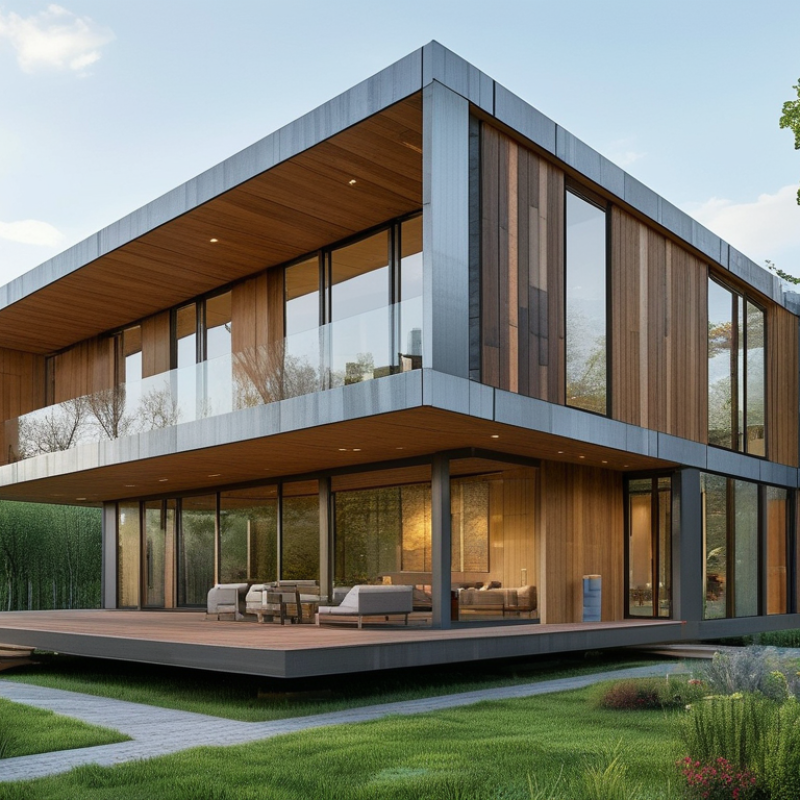
Overview of Prefab House Materials
Prefab houses are composed of various materials, each playing a vital role in their structure and function. Wood is often the primary material, providing strength and insulation. It’s lightweight and easy to manipulate. Steel frames are also common, ensuring durability and resistance to environmental challenges. These materials can be prefabricated off-site, enhancing construction efficiency.
Concrete serves as another essential component, particularly for foundations and flooring. It offers excellent thermal mass, helping to regulate indoor temperatures. Some prefab homes incorporate eco-friendly materials, promoting sustainability. Insulation materials, such as fiberglass or foam, significantly enhance energy efficiency, making homes comfortable year-round.
While prefab houses offer many benefits, challenges persist. Not all materials are equally sustainable. Some may have a higher environmental impact. These considerations require careful evaluation. Building codes can vary, impacting material choices and construction methods. Homeowners should engage with experts to ensure compliance and durability. Selecting the right materials can significantly influence the home's overall performance and longevity.
Types of Structural Materials in Prefab Houses
Prefab houses rely on various structural materials that define their durability and sustainability. Common materials include steel, wood, and concrete. Each material has unique benefits and challenges, impacting the overall design and construction process.
Steel frames are often used due to their strength and longevity. They are resistant to pests and weather damage. However, they can be more expensive and require special handling during installation. Wood, while a popular choice, offers a warm aesthetic and is easier to work with. Yet, it is susceptible to termites and moisture if not properly treated.
Concrete provides excellent thermal insulation but can be heavy and challenging to work with.
Tip: Consider the climate and environment when choosing materials for a prefab house. Materials should offer resistance to local weather conditions. Exploring different combinations of materials may enhance energy efficiency and structural integrity.
Another point of reflection is the environmental impact. Recycled materials can benefit the construction process and reduce waste. However, sourcing sustainably can sometimes increase costs. Balancing budget and sustainability is essential in the design phase.
Select materials that align with long-term goals. Make decisions that prioritize both the durability of the house and the surrounding ecosystem.
Insulation Materials Used in Prefab Constructions
Insulation is critical in prefab houses for energy efficiency and comfort. A report by the U.S. Department of Energy states that homes can lose up to 30% of heating and cooling energy due to inadequate insulation. Common materials like fiberglass batt, foam boards, and spray foam have distinct benefits. Fiberglass batt, for instance, is cost-effective and easy to install. However, it requires precise installation to prevent gaps.
Spray foam insulation excels in air sealing. It expands on application, filling every nook and cranny. This feature makes it highly effective in reducing drafts. According to the North American Insulation Manufacturers Association, spray foam can boost a home's energy efficiency by up to 50%. Yet, its higher initial cost compared to fiberglass may deter some builders.
Foam board insulation offers high R-values in thin layers. This is crucial when space is limited. Eco-friendly options are emerging, using recycled materials while maintaining performance. Despite their advantages, these options often need more research for widespread adoption. Each material has pros and cons. Builders must consider cost, efficiency, and environmental impact.
What Materials Are Used in Prefab Houses Explained - Insulation Materials Used in Prefab Constructions
| Material Type |
R-Value |
Pros |
Cons |
Environmental Impact |
| Fiberglass Insulation |
2.9 - 4.3 |
Cost-effective, Good thermal performance |
Can cause skin irritation, Vulnerable to moisture |
Non-renewable, but relatively low carbon footprint |
| Spray Foam Insulation |
3.5 - 6.5 |
Excellent air barrier, High R-value |
Higher initial cost, Requires professional installation |
Potentially harmful chemicals used in production |
| Cellulose Insulation |
3.1 - 3.7 |
Made from recycled materials, Good soundproofing |
Settling can reduce effectiveness, May require a moisture barrier |
Eco-friendly, Biodegradable |
| Mineral Wool Insulation |
3.0 - 4.4 |
Fire resistant, Water resistant |
Higher cost than fiberglass, Heavier and need support |
Typically made from natural or recycled materials |
| Polystyrene Insulation |
3.6 - 5.0 |
Good moisture resistance, Lightweight |
Can be damaged by solvents, Limited soundproofing |
Made from petroleum-based products |
Finishing Materials for Interior and Exterior of Prefab Houses
Prefab houses are gaining popularity, not just for their efficient assembly but also for their diverse finishing materials. The choice of materials significantly affects the aesthetic and functional aspects of these homes.
For the exterior, options like vinyl siding, wood cladding, and metal panels are common. Vinyl is low-maintenance and durable. Wood offers a classic look but requires regular upkeep. Metal panels provide a modern appeal but can be prone to dents. Each material has its pros and cons, necessitating careful consideration based on climate and personal preference.
Interior finishing materials include drywall, plywood, and modular paneling. Drywall is the standard choice for its affordability and ease of installation. Plywood can create a warm, rustic feel but may not always meet fire regulations. Modular paneling is versatile but might lack character. Homeowners should reflect on their lifestyle needs when making these decisions. Balancing style, maintenance, and durability is key to achieving the desired look and function for any prefab house.
Sustainable and Eco-Friendly Materials in Prefab Design
Prefab houses are increasingly using sustainable and eco-friendly materials in their designs. This shift not only reduces environmental impact but also promotes healthier living spaces. Reports from the Global Alliance for Buildings and Construction highlight that eco-friendly materials can reduce carbon emissions by up to 30% in the construction phase. Many prefab manufacturers adopt reclaimed wood and recycled steel as primary structural components. These materials significantly lower the demand for virgin resources.
In insulation, products like cellulose made from recycled paper offer excellent thermal performance. According to the U.S. Environmental Protection Agency, using such materials can cut energy consumption by 20-30%. However, challenges remain. Finding local sustainable suppliers can be difficult, leading to increased costs and logistical issues. Additionally, consumer awareness about the benefits of these materials is still growing. Many potential homeowners may overlook the advantages of eco-friendly options, focusing instead on initial pricing rather than long-term savings.
Overall, while sustainable choices in prefab construction show great potential, there’s a need for ongoing education. Embracing these materials can lead to a more sustainable future in housing. The journey towards fully sustainable prefab design involves both innovation and consumer engagement.
FAQS
: Common materials include steel, wood, and concrete. Each offers unique benefits and challenges.
Steel provides strength and longevity. It resists pests and weather damage effectively.
Wood has a warm aesthetic but is prone to termites and moisture without proper treatment.
Concrete offers excellent thermal insulation but can be heavy and difficult to work with.
Consider local climate and environment. Materials should resist weather conditions in your area.
Eco-friendly materials reduce environmental impact and can lower carbon emissions during construction.
Finding local suppliers can be tough, sometimes leading to higher costs and logistical issues.
Many potential homeowners overlook eco-friendly options due to focus on initial pricing.
It's crucial to align material choices with long-term goals and environmental considerations.
While versatile, modular paneling may lack character compared to more traditional materials.
Conclusion
Prefab houses have gained popularity due to their efficient construction and customizable features, raising the question of "what materials are used in prefab houses." The materials primarily include various types of structural materials such as steel, wood, and concrete, which provide the necessary framework for durability and stability.
In addition to structural components, insulation materials play a crucial role in enhancing energy efficiency, while finishing materials are essential for both the interior and exterior aesthetics of the homes. Moreover, the growing emphasis on sustainability in construction has led to the incorporation of eco-friendly materials in prefab design, promoting environmentally responsible building practices. This comprehensive overview highlights the diverse materials that contribute to the functionality and sustainability of prefab houses.

 NGL Home